
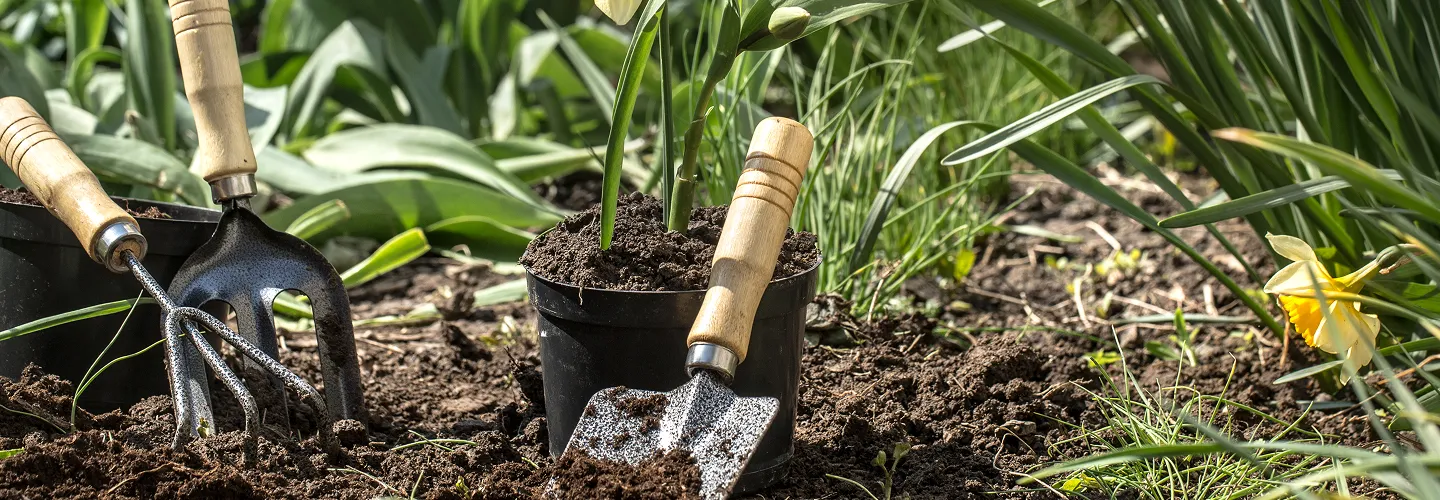
Ahwatukee Foothills Village Weeding Services
Choose our expert weeding services for a healthier, more beautiful landscape—our team removes unwanted growth efficiently, ensuring your yard stays pristine and your plants thrive all season long.
Get a Free QuoteOur Ahwatukee Foothills Village Landscaping & Yard Care Services
When to Schedule Weeding in Ahwatukee Foothills Village, Arizona – Seasonal Guide
In Ahwatukee Foothills Village, the timing of weeding is crucial for maintaining healthy, attractive landscapes. The area’s unique climate—characterized by hot, dry summers and mild winters—means that weed growth can surge after winter rains and again during the monsoon season. For neighborhoods near South Mountain Park or along Chandler Boulevard, scheduling weeding in early spring and late summer is often most effective, as these periods align with peak weed germination and growth.
Local environmental factors such as the region’s sandy, well-draining soils, variable shade from mature mesquite and palo verde trees, and the risk of drought all play a role in determining the best weeding schedule. Homeowners in communities like Mountain Park Ranch or near Desert Foothills Parkway should also consider municipal watering restrictions and the impact of microclimates created by nearby washes or golf courses. For more information on local environmental guidelines, visit the Sudbury municipal site.
Local Factors to Consider for Weeding in Ahwatukee Foothills Village
- Tree density and shade coverage, which affect weed growth patterns
- Soil type and drainage, especially in areas with sandy or rocky terrain
- Seasonal precipitation, including winter rains and summer monsoons
- Proximity to natural areas like South Mountain Park, which can introduce invasive species
- Municipal restrictions on herbicide use or watering schedules
- Neighborhood-specific microclimates and landscape features
Benefits of Weeding in Ahwatukee Foothills Village

Enhanced Curb Appeal
Healthier Plant Growth
Reduced Pest Infestations
Improved Soil Quality
Increased Property Value
Professional and Reliable Service

Ahwatukee Foothills Village Weeding Types

Hand Weeding
-
Mechanical Weeding
-
Chemical Weed Control
-
Mulching for Weed Suppression
-
Flame Weeding
-
Landscape Fabric Installation
-
Organic Weed Management
Our Weeding Process
Site Evaluation
Weed Identification
Targeted Removal
Soil Treatment
Final Inspection
Why Choose Ahwatukee Foothills Village Landscape Services
Ahwatukee Foothills Village Homeowners Trust Us
-
Comprehensive Lawn Maintenance
-
Reliable Irrigation Solutions
-
Expert Tree and Shrub Care
-
Competitive Pricing
-
Professional Team
-
Satisfaction Guarantee
-
Personalized Service
Coordinating Weeding Services With Ahwatukee Foothills Village's Municipal Code and Public Works
Ahwatukee Foothills Village operates under the City of Phoenix's municipal framework, meaning property owners must comply with Phoenix code compliance standards regarding weed growth on residential and commercial parcels. The city enforces property maintenance ordinances that require owners to keep lots free of excessive weed growth, particularly when vegetation exceeds height thresholds that create fire risk, pest harborage, or neighborhood blight. Violations may be reported through the city's code compliance process, and unresolved cases can result in abatement actions billed to the property owner. Residents should also coordinate green waste disposal through the city's bulk trash collection program administered by Public Works, as large volumes of pulled weeds and organic debris must follow municipal pickup schedules rather than being deposited in washes or storm drains.
- Property owners are responsible for maintaining weed-free conditions on lots, parkways, and alley-adjacent areas
- Excessive weed growth complaints are investigated by the city's Neighborhood Services Division
- Green waste from weeding projects must be bundled or containerized according to bulk collection guidelines
- Weed debris should never be swept or blown into street gutters, curb inlets, or drainage channels
Phoenix Code Compliance
Official Website: Phoenix Code Compliance
Phoenix Public Works Department
Official Website: Phoenix Public Works Department
How Ahwatukee Foothills Village's Desert Soils and Monsoon Cycles Intensify Weed Pressure
Ahwatukee Foothills Village sits within the Phoenix metro low desert, classified in USDA Hardiness Zone 9b–10a, where extreme summer heat and alkaline, calcium carbonate–rich soils create a distinctive weed environment. Soils throughout the village commonly feature caliche layers, decomposed granite surfaces, and compacted subdivision fill that limit water infiltration and concentrate moisture near the surface—conditions that favor shallow-rooted annual weeds. The monsoon season, typically from mid-June through September, triggers explosive weed flushes as brief, intense rainfall saturates the upper soil profile. Properties adjacent to South Mountain Park and the network of retention basins and flood-control channels face additional weed seed transport via stormwater runoff.
- Alkaline soils with pH levels commonly above 7.5 support aggressive germination of species such as spurge, puncturevine, and London rocket
- Decomposed granite and rock mulch beds trap moisture beneath the surface, creating ideal germination zones along drip-line emitters
- Reflected heat from block walls, concrete driveways, and south-facing exposures accelerates weed growth cycles in irrigated areas
- Post-monsoon weed flushes can produce visible growth within days of significant rainfall events
Navigating Ahwatukee Foothills Village's Regulatory Requirements for Weed Control Practices
Any application of herbicides for weed control in Arizona requires compliance with Arizona Revised Statutes Title 3, which governs pesticide use, applicator licensing, and product labeling. Commercial applicators must hold valid certification through the Arizona Department of Agriculture, and all herbicide applications must follow label directions regarding rates, buffer zones, and environmental restrictions. The Arizona Department of Agriculture's noxious weed program identifies regulated species that property owners may be obligated to control. Stormwater protection is equally critical: under the City of Phoenix's Phase II MS4 permit and Arizona DEQ stormwater regulations, herbicide runoff into washes, retention basins, and storm drains constitutes a discharge violation.
- Only licensed applicators may apply restricted-use herbicides on a for-hire basis in Arizona
- Pre-emergent herbicide applications near washes or drainage channels require careful timing to avoid runoff during monsoon events
- Integrated pest management approaches—combining hand removal, mulch barriers, and targeted chemical treatment—reduce regulatory exposure
- Property managers in HOA-governed communities should verify that weed control methods comply with both city code and association landscape standards
Arizona Department of Agriculture – Office of Pest Management
Official Website: Arizona Department of Agriculture – Office of Pest Management
Timing Weeding Around Ahwatukee Foothills Village's Heat Extremes and Seasonal Growth Patterns
Professional weeding in the low desert follows a seasonal rhythm dictated by temperature and moisture. The most effective pre-emergent herbicide window for winter annual weeds such as London rocket and filaree falls between late September and mid-October, before soil temperatures drop below the germination threshold. A second pre-emergent application targeting summer annuals like spurge and carpetweed is typically applied in late February through early March. Hand weeding and mechanical removal are most productive when performed before weeds set seed, which in Ahwatukee Foothills Village often occurs by late February for cool-season species and by mid-August for warm-season species. The University of Arizona Cooperative Extension provides region-specific guidance on weed identification and control timing for low-elevation Arizona landscapes.
- Remove weeds by hand or hoe when soil is moist, ideally within 48 hours of irrigation or rainfall, to extract root systems intact
- Apply post-emergent herbicides during calm morning hours when temperatures are below 90°F to minimize drift and volatilization
- Maintain drip-system emitter zones free of weed competition to protect ornamental plantings and reduce water waste
- Replenish rock mulch or organic mulch to a depth that suppresses germination while allowing irrigation penetration
- Schedule major weeding efforts before monsoon onset to reduce the volume of organic debris that could wash into drainage infrastructure
What Neighborhoods Do We Serve Throughout Ahwatukee Foothills Village, AZ?
- Lakewood – Mature landscaping around common-area lakes and irrigated turf creates persistent weed pressure along shoreline edges and drip-irrigated beds that require frequent monitoring.
- Mountain Park Ranch – Large community parks and greenbelt corridors adjacent to South Mountain generate weed seed migration into residential yards, particularly after monsoon runoff events.
- Foothills Club West – Golf course–adjacent properties experience elevated irrigation overspray and nutrient drift that accelerate weed germination in decorative rock and planting beds.
- Desert Foothills – Hillside lots with natural desert landscaping and decomposed granite surfaces are prone to post-monsoon weed flushes of globe chamomile and Russian thistle along slope edges.
- Ahwatukee Lakes – Properties bordering retention basins and flood-control channels face recurring weed encroachment from seed deposits carried by stormwater drainage.
- The Vistas – Newer subdivision fill soils and south-facing block wall exposures create concentrated heat zones where spurge and puncturevine establish rapidly during warm months.